Table of Contents
Introduction to Alloy Steel Squares
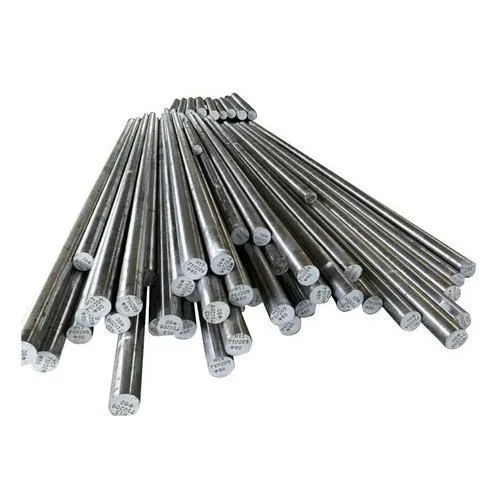
Alloy steel squares are solid, square-section bars produced from steel that has been alloyed with elements such as chromium, nickel, molybdenum and vanadium. These alloying additions significantly enhance mechanical properties—strength, toughness, wear resistance and corrosion resistance—compared with plain carbon steels. Because of these attributes, alloy steel squares are widely used in demanding industrial applications where reliability and long service life are essential. In recent years Delhi has emerged as a major manufacturing and supply hub for alloy steel squares, supported by strong industrial infrastructure, skilled labor and an extensive supply chain network.
What are Alloy Steel Squares?
Alloy steel squares are rectangular cross-section bars (equal sides) manufactured through processes such as rolling, forging and cold drawing. They are offered in a range of sizes and surface finishes to suit requirements across sectors. Unlike standard carbon steel bars, alloy steel squares incorporate controlled amounts of alloying elements that tailor properties like hardenability, fatigue resistance and heat tolerance. This engineered performance makes them suitable for components such as shafts, spindles, dies, and structural members that demand both dimensional accuracy and superior mechanical behaviour.
Difference Between Alloy Steel Squares and Carbon Steel Squares
While carbon steel squares are primarily iron with carbon as the main alloying element, alloy steel squares contain additional deliberate alloying metals. These additions alter microstructure and performance: alloy steels provide higher tensile strength, better wear resistance, improved toughness and greater resistance to high temperatures and corrosive environments. Carbon steel remains cheaper and adequate for less critical uses, but when application demands higher performance, alloy steel squares are the preferred choice due to their reliability under stress and longer service life.
Key Features That Make Alloy Steel Squares Superior
Alloy steel squares stand out for a high strength-to-weight ratio, consistent dimensional stability after heat treatment, and excellent fatigue resistance. They accept machining, welding and surface treatments well, allowing manufacturers to deliver precisely engineered parts. Additionally, many alloy grades are recyclable and compatible with eco-friendly manufacturing processes, which makes them attractive for companies that balance performance with sustainability goals.
Properties of Alloy Steel Squares
High Strength and Toughness
Alloy steel squares typically exhibit high tensile strength and impact toughness, enabling them to endure heavy loads and shock without fracturing, which is critical for industrial machinery, automotive components and structural applications.
Wear and Corrosion Resistance
Alloying elements such as chromium and nickel enhance resistance to wear, oxidation and corrosion. This ensures components made from alloy steel squares maintain integrity in abrasive and corrosive environments like oil & gas, marine and chemical plants.
Heat Resistance and Dimensional Accuracy
Many alloy steels retain mechanical properties at elevated temperatures and hold tight dimensional tolerances after heat treatment—an essential trait for parts used in boilers, turbines and heavy engineering equipment.
Easy Machinability and Versatility
Despite their strength, alloy steel squares can be machined, formed and welded using standard shop practices. This versatility allows fabricators to produce complex parts without sacrificing mechanical performance.
Advantages of Using Alloy Steel Squares
Long-Term Cost Savings
Though the initial material cost is higher than plain carbon steel, alloy steel squares offer longer service life and less frequent replacements, resulting in lower lifecycle costs for equipment and structures.
Performance in Harsh Environments
The enhanced corrosion and wear resistance of alloy steel squares makes them suitable for aggressive service environments—minimizing maintenance and downtime for critical systems.
Wide Range of Grades and Applications
Alloy steel squares come in many grades tailored to different needs—high strength, bearing quality, carburizing ability or heat resistance—so buyers can choose the most appropriate material for their application.
Sustainable and Reliable Material Choice
Recyclability and long life make alloy steel squares a sustainable choice. Their proven performance also provides reliability that reduces risk in high-value projects.
Applications of Alloy Steel Squares
Automotive Industry: Used in shafts, axles, gears and critical drivetrain components where fatigue resistance and toughness are required.Construction and Infrastructure: Employed in frameworks, connectors and load-bearing elements that require predictable strength and longevity.Oil & Gas and Energy Sector: Ideal for components exposed to corrosive fluids, high pressures and elevated temperatures.Heavy Engineering and Industrial Machinery: Used for dies, journals, couplings and other parts subject to high wear and shock.Tooling and Die Manufacturing: Chosen for molds, dies and tooling where hardness and dimensional stability are crucial.
Alloy Steel Square Manufacturers in Delhi – Why Choose Them?
Delhi is a strategic manufacturing hub with a dense network of mills, fabrication shops and testing labs. Manufacturers in Delhi invest in modern rolling mills, forging presses and CNC centers to produce alloy steel squares that meet international specifications. Proximity to major ports and road networks, plus easy access to skilled technicians, helps reduce lead times and logistic costs. Many Delhi suppliers also provide value-added services—cutting to size, heat treatment and certification—making them a preferred source for both domestic and export buyers.
Types of Alloy Steel Squares Available in Delhi
Hot Rolled Alloy Steel Squares
Produced by heating and rolling billets, hot rolled squares are robust and economical for structural or heavy engineering uses where tight surface finish is not the primary requirement.
Cold Drawn Alloy Steel Squares
Cold drawn squares are drawn through dies at room temperature to achieve finer tolerances, superior surface finish and improved mechanical properties—ideal for precision engineering components.
Forged Alloy Steel Squares
Forged squares undergo compressive shaping, producing refined grain structure and exceptional toughness—preferred for highly stressed parts.
Heat-Treated Alloy Steel Squares
Heat treatment processes such as quenching and tempering are applied to achieve specific hardness and toughness combinations tailored to the application.
Popular Grades of Alloy Steel Squares
EN 8 / EN 19 / EN 24: Widely used medium and high strength engineering steels for shafts and couplings.EN 31: High hardness bearing steel for high-wear applications.EN 353: Carburizing steels ideal for gears where surface hardness is needed with a tough core.AISI 4140 / 4340: Alloy steels known for toughness and fatigue resistance, used across heavy engineering.Tool Steels (D2, P20, H13): Chosen for dies, molds and tooling that require wear resistance and dimensional stability.
Manufacturing Process of Alloy Steel Squares in Delhi
Raw Material Selection
Manufacturers begin with careful selection of scrap or primary materials and alloying additions to ensure the desired chemistry and cleanliness.
Melting and Casting
The steel is melted in electric arc or induction furnaces, refined to target composition and cast into billets or blooms ready for further processing.
Rolling and Forging
Billets are hot rolled or forged into bars; subsequent passes refine section dimensions and mechanical properties.
Heat Treatment
Controlled heat cycles (annealing, normalizing, quenching and tempering) are applied to achieve the specified strength and toughness.
Machining and Surface Finishing
Peeling, grinding or cold drawing delivers final dimensional accuracy and surface finish required by end users.
Quality Testing and Certification
Every batch is tested for chemical composition, tensile and hardness properties and may undergo non-destructive testing. Manufacturers supply certificates to confirm compliance.
Quality Standards Followed by Delhi Manufacturers
Delhi manufacturers typically comply with standards such as ISO 9001, ASTM, EN and DIN. Many operate NABL-accredited labs for unbiased testing and provide material test certificates (MTCs) with each shipment. Adherence to these standards ensures traceability, consistent properties and suitability for international markets.
How to Choose the Right Alloy Steel Square Manufacturer in Delhi
When selecting a manufacturer consider reputation, certifications, production capacity, customization capabilities and after-sales support. Visit the plant if possible, review sample certificates, and request references. A reputable manufacturer will offer technical guidance on grade selection, heat treatment and finishing to meet your specific application needs.
Benefits of Buying from Delhi Manufacturers and Suppliers
Buying from Delhi suppliers offers fast local delivery, competitive pricing due to scale, and easy access to additional services such as cutting to size, heat treatment and testing. Many suppliers maintain stock of multiple grades and sizes, reducing lead times. For exporters, Delhi suppliers are experienced in documentation and logistics handling for international shipments.
Future of Alloy Steel Square Manufacturing in Delhi
Outlook for alloy steel squares in Delhi is positive—driven by infrastructure projects, automotive growth and rising industrial automation. Adoption of greener production methods, increased automation and investments in testing and R&D will continue to raise product quality and open new export opportunities for Delhi manufacturers.
Frequently Asked Questions (FAQs)
Q1: Which industries use alloy steel squares the most?
A: The automotive, construction, oil & gas, heavy machinery and tooling industries are the major consumers due to the material's strength and wear resistance.
Q2: How do Delhi manufacturers ensure consistent quality?
A: Through strict raw material control, precise melting and refining, qualified heat treatment processes, and testing in NABL-accredited or in-house labs, along with issuing material test certificates.
Q3: Which grade is best for shafts and axles?
A: Grades such as EN 8, EN 19, AISI 4140 and EN 24 are commonly recommended due to their balanced toughness and strength.
Q4: Can I get custom sizes and heat treatment from Delhi suppliers?
A: Yes — many manufacturers offer cut-to-length, specific machining, and bespoke heat treatment to meet client specifications.
Q5: Are Delhi alloy steel squares export-ready?
A: Absolutely — numerous Delhi manufacturers adhere to international standards (ASTM, EN) and regularly supply global customers with export documentation and certifications.
Conclusion
Delhi is a reliable and strategic hub for alloy steel square manufacturing and supply. With modern production facilities, seasoned technical teams and adherence to international standards, suppliers in Delhi deliver high-quality alloy steel squares suitable for demanding industrial uses. Whether you need standard stock sizes or customized, heat-treated components, Delhi manufacturers provide a combination of quality, value and service that supports both domestic projects and export markets.
Key Properties
① Wear resistance of die
② Resistance to Chipping off
③ Resistance to Cracking
④ Resistance to Plastic Deformation
⑤ Good Machinability & Grinding Ability
⑥ High Toughness
Available Grades
W.nr
JIS
DIN
AISI/ASTM
C
Si
Mn
S
P
Cr
W
Mo
V
Data Sheet
1.2510
SKS3
100MnCrW4
O1
0.90-1.05
0.15-0.35
1.00-1.20
<0.03
<0.03
0.50-0.70
0.50-0.70
0.10
0.05-0.15
Available
1.2379
SKD11
X155CrVMo12-4
D2
1.45-1.6
0.10-0.60
0.20-0.60
<0.03
<0.03
11.00-13.00
-
0.70-1.00
0.70-1.00
Available
1.2080
SKD1
X210Cr12
D3
1.90-2.20
0.01-0.60
0.20-0.60
<0.03
<0.03
11.00-13.00
-
-
-
Available
.png)